

ICSI Treatment in Kolkata

Home > Service > Male Infertility > ICSI

What is ICSI?

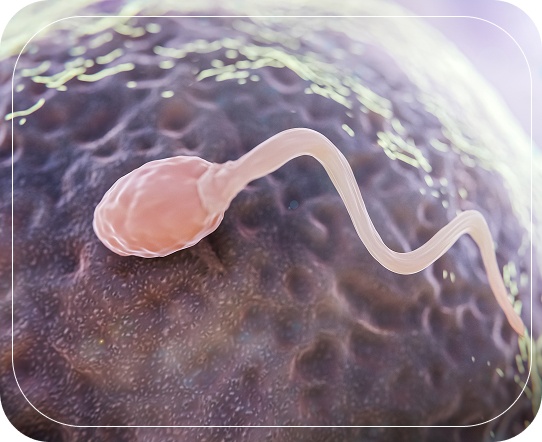
Intracytoplasmic Sperm Injection (ICSI) is an advanced fertility treatment where a single sperm is directly injected into an egg to increase the chances of fertilisation. Unlike traditional IVF, where sperm and eggs are mixed naturally in the lab, ICSI provides proper control over the fertilisation process, which makes it particularly effective for male factor infertility. Experienced fertility specialists in our ICSI treatment clinic in Kolkata use state-of-the-art techniques to maximise success rates.
What is ICSI?
When is ICSI Recommended?

When is ICSI Recommended?

Difficulty in natural conception due to male infertility issues
Low sperm count
Abnormal sperm shape
Poor sperm movement
Previous failed fertilisation attempts
Cases of unexplained infertility

Genetic conditions

When is ICSI Recommended?

Who Needs ICSI?

Men with azoospermia (no sperm in the ejaculate)

Men with azoospermia (no sperm in the ejaculate)

Severe oligospermia (very low sperm count)

Severe oligospermia (very low sperm count)

Low sperm count

Asthenozoospermia (poor sperm motility)

Poor ejaculation

Poor ejaculation

Blocked or damaged fallopian tubes

Blocked or damaged fallopian tubes

Trouble getting pregnant

Unsuccessful fertilisation in previous IVF cycles

Unexplained infertility

Unexplained infertility

Problems with fragmentation of sperm DNA

Problems with fragmentation of sperm DNA

Testicular cancer
Testicular cancer

Sperm retrieval techniques (PESA, TESA, micro-TESE)

You are using frozen sperm that may have reduced motility

You have obstructive azoospermia or need surgical sperm retrieval

You have obstructive azoospermia or need surgical sperm retrieval

Genetic disorders affecting sperm quality

Genetic disorders affecting sperm quality

The fertility specialists at our ICSI treatment centre in Kolkata provide thorough evaluations to determine if ICSI is right for you.

Who Needs ICSI?

Men with azoospermia (no sperm in the ejaculate)

Men with azoospermia (no sperm in the ejaculate)

Severe oligospermia (very low sperm count)

Severe oligospermia (very low sperm count)

Low sperm count

Asthenozoospermia (poor sperm motility)

Poor ejaculation

Poor ejaculation

Blocked or damaged fallopian tubes

Blocked or damaged fallopian tubes

Trouble getting pregnant

Unsuccessful fertilisation in previous IVF cycles

Unexplained infertility

Unexplained infertility

Problems with fragmentation of sperm DNA

Problems with fragmentation of sperm DNA

Signs & Symptoms of PCOD

Testicular cancer

Sperm retrieval techniques (PESA, TESA, micro-TESE)

You are using frozen sperm that may have reduced motility

You have obstructive azoospermia or need surgical sperm retrieval

You have obstructive azoospermia or need surgical sperm retrieval

Genetic disorders affecting sperm quality

Genetic disorders affecting sperm quality

Planning Parenthood? We Are Here to Help!

Your dreams of parenthood matters to us. Get compassionate care and personalised guidance for all your family planning needs.

9903966186

Have a Question? Ask Us Anything

Why Choose PGS Procreacion for ICSI?

Expert Fertility Specialists

Advanced Technology

Great Success Rate

High Patient Satisfaction

Why Choose PGS Procreacion for ICSI?

How is ICSI performed?

Psychological support

Initial Consultation

The couple has an initial consultation with the fertility specialist for counselling.

Multiple small cysts in ovaries

Ovarian Stimulation

The doctor will inject hormonal injections to help mature multiple eggs.

Experienced IVF Specialists

Egg Retrieval

Mature eggs are collected from the ovaries.

Sperm Selection

Sperm Selection

The healthiest sperm is chosen under a microscope.

Injection

Injection

The selected sperm is injected into the centre of the egg using a micropipette (a lab instrument).

Embryo Development

Embryo Development

The fertilised egg is monitored for growth.

IVF with ICSI using retrieved sperm

Embryo Transfer

A healthy embryo is implanted into the uterus.

How is infertility diagnosed?

Dos

N
Follow prescribed medications.
N
Eat a balanced, nutritious diet.
N
Stay hydrated and get proper rest.
N
Attend all follow-up appointments.

Don'ts

N
Avoid laborious activities and heavy lifting for a week.
N
Stay away from alcohol, smoking and caffeine.
N
Do not stress—stay positive and calm.

Everything You Need to Know

Can’t find what you’re looking for?

Is ICSI more successful than traditional IVF?

Yes, ICSI has higher success rates for male infertility cases because the procedure ensures direct sperm injection into the egg.

How long does an ICSI cycle take?

A complete cycle, including stimulation, retrieval and embryo transfer, takes about 4-6 weeks.

Is ICSI painful?

The procedure is minimally invasive and performed under anaesthesia to ensure you feel no discomfort.

Can ICSI help with unexplained infertility?

Yes, ICSI can increase fertilisation chances in unexplained infertility cases where sperm and egg interaction is difficult naturally.

What if there is no sperm in the ejaculate?

Surgical sperm retrieval methods like TESA or PESA can be used to obtain sperm directly from the testicles, and then ICSI is performed.

Can’t find what you’re looking for?